
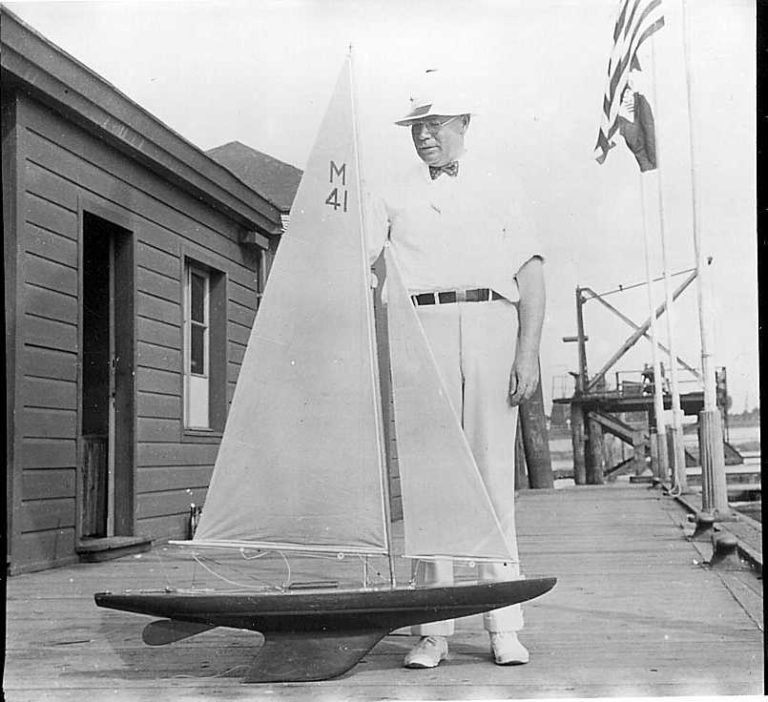
History of the Marblehead Class
The 450 class was being modified; the sail area was settled at 800 in2, and the single most popular class in the history of model yachting was launched.
The 450 class was being modified; the sail area was settled at 800 in2, and the single most popular class in the history of model yachting was launched.
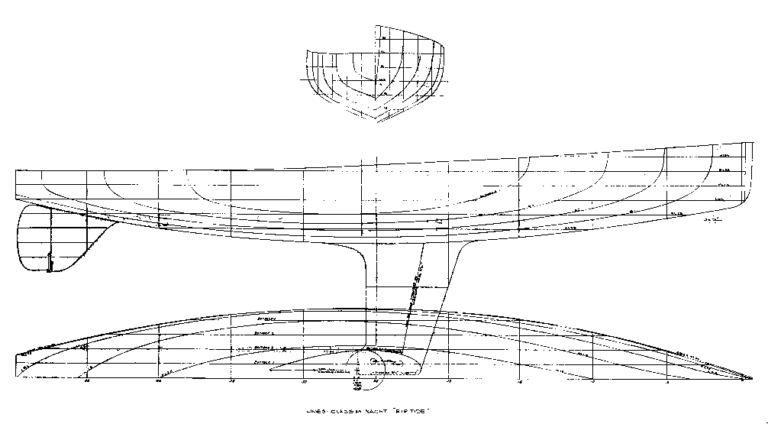
Construction of a Plank on Sawn Frame Marblehead Class Model Racing Yacht to Ted Houk's 1949 Rip Tide Design

This article is in response to the question on the Seaways list about how to carve a hull, which I think is not only an important skill, but also an excellent way to develop “an eye for a ship,” that is, an intuition for the form of a hull.
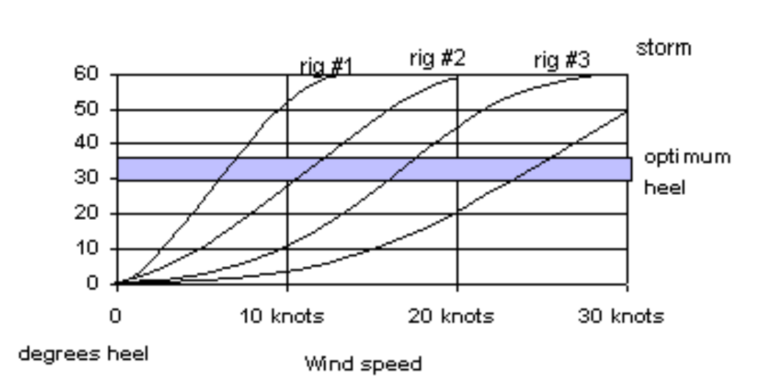
In the pursuit of sailing fast, Bob Sterne looks at rig selection, mast position, obtaining proper trim to windward, and altering that trim when sailing in non-optimum conditions.
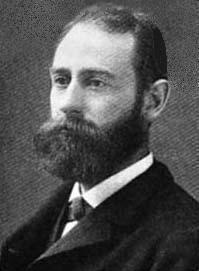
Both Nathanael and Francis Herreshoff were avid model yachtsmen.
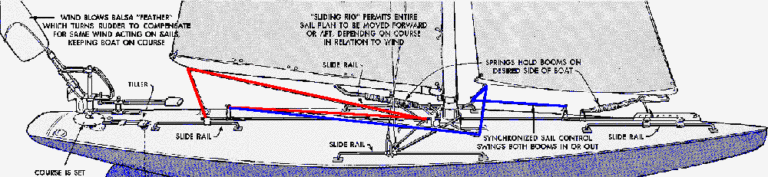
This material is a bit heavy going, but rewarding if you want to learn just how sophisticated self-steering boats were in the days immediately before Radio Control.
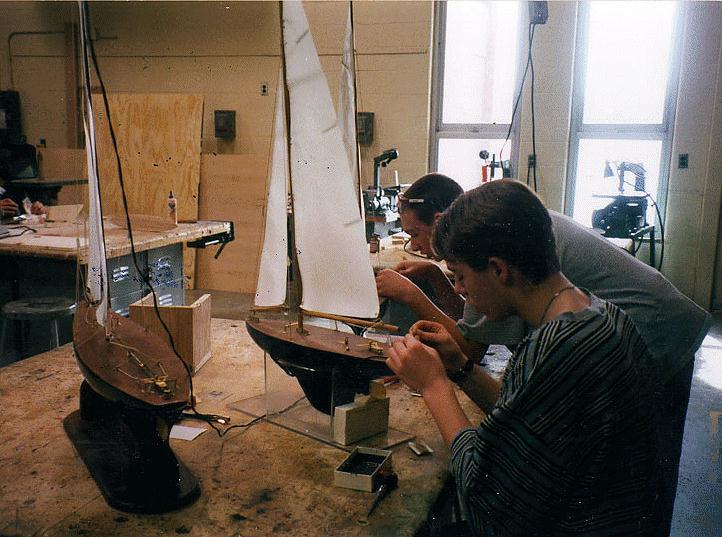
Manual arts teachers quickly recognized model yachting as providing near-perfect shop projects, especially for introductory courses. Students had to work in wood, metal, and cloth, assemble parts into a working whole, and had the opportunity to see the results of their efforts under sail, with the additional spice of a student regatta.
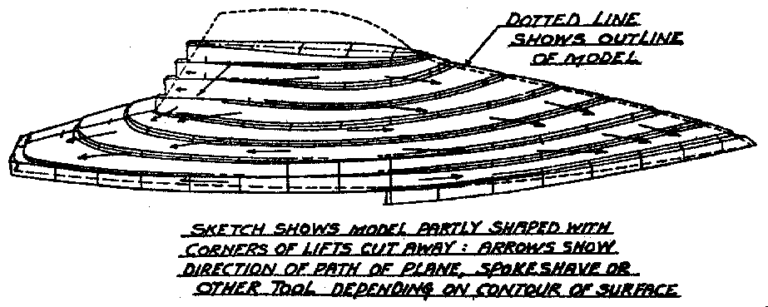
Wood hulls are either carved or built-up (plank-on-frame) in a manner similar to full sized boats.
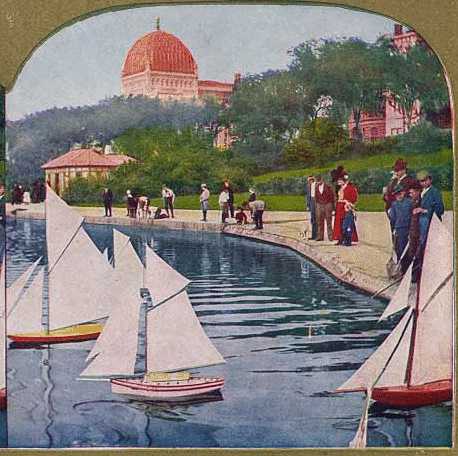
An overview of Model Yachting in the US from the early days through the 1960s.