
Model Yachting Newsletter: Issue 1 – March 1980

Model Yachting Newsletter – Aims.
A Welcome from the M.Y.A. (Norman Hatfield).
Big Boats, Little Boats.
Your Boat Will Go Faster.

Model Yachting Newsletter – Aims.
A Welcome from the M.Y.A. (Norman Hatfield).
Big Boats, Little Boats.
Your Boat Will Go Faster.
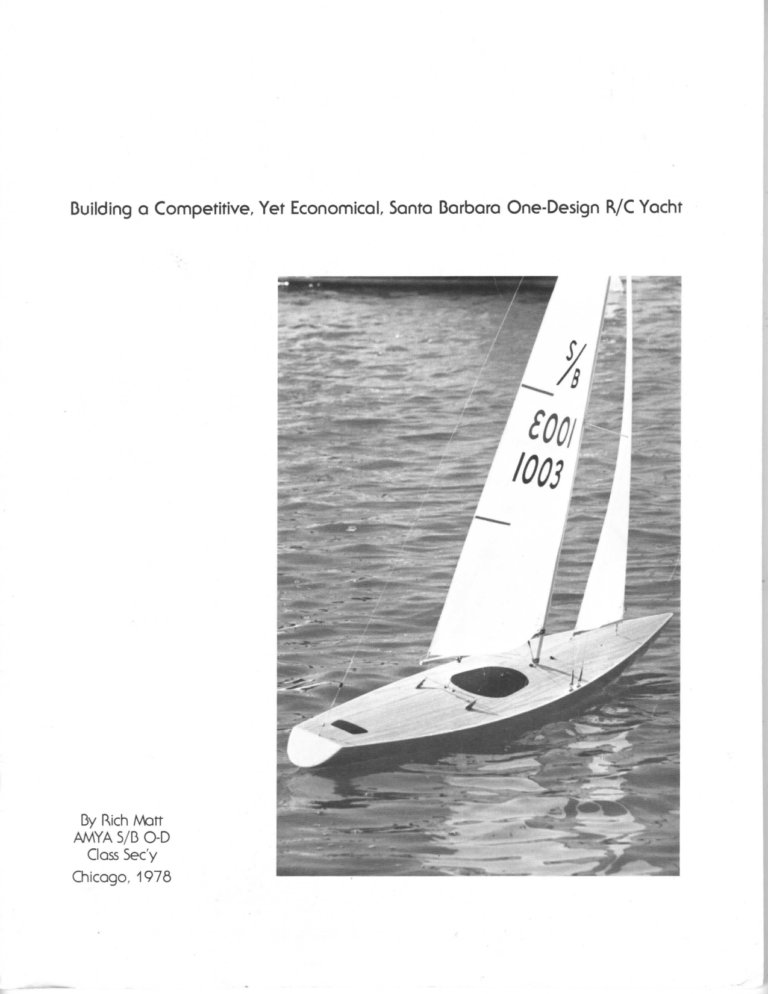
Written in 1978 by Rich Matt, then American Model Yachting Association (AMYA) Santa Barbara One-Design Class Secretary, this booklet explains how to assemble a competitive Santa Barbara One-Design radio-controlled racing yacht at lower cost than a complete commercial kit. Matt compares open-design and one-design racing, outlines the Santa Barbara class’s handling and portability advantages, and recommends buying the essential fiberglass hull and keel while sourcing spars, sails, fittings, adhesives, and other materials separately.

The article focuses on how to design and carve an effective mast for a model yacht, emphasizing that it’s a commonly misunderstood part of construction.
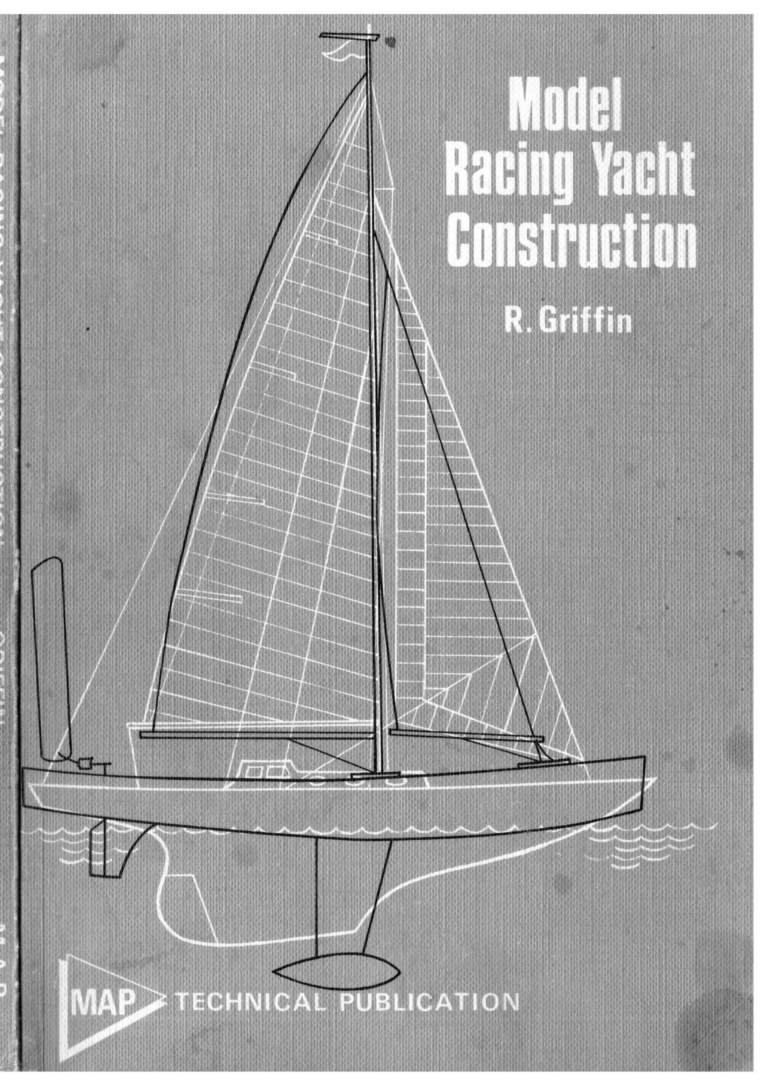
This book is a practical guide to building model yachts intended for competitive sailing. Written chiefly for newcomers to the craft, C. R. Griffin explains how to choose among racing yacht classes and construction methods, and emphasizes the precision, appropriate materials, low weight, sound design, and reliable fittings that racing demands.
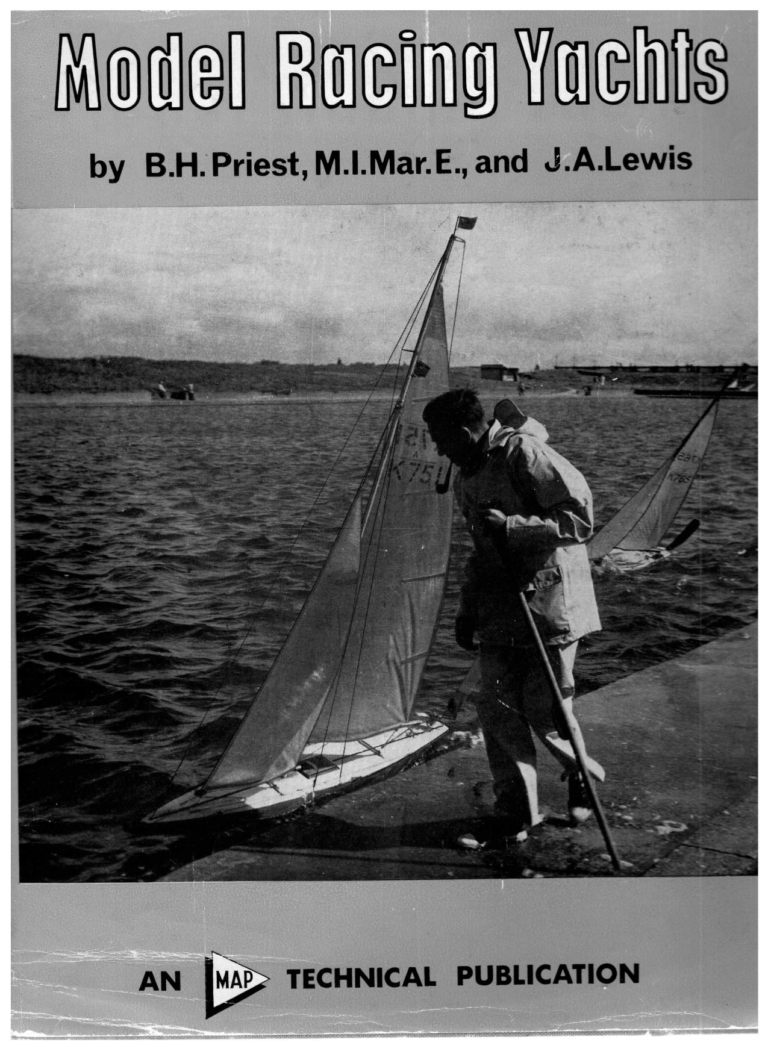
A comprehensive treatment of the design and sailing of competitive model yachts by two accomplished British designers and skippers, B. H. Priest and J. A. Lewis.

This catalog includes blueprints for model yachts Chico II, Sun-Kiss, Cheerio II, and Cheerio III and blueprints for other smaller boats and static models. It also includes scale model kits and fittings for them.

The designing and building of model power boats has much to offer to both young and old, for it combines indoor and outdoor activity in a manner which is both healthy and instructive.

This book is primarily intended as an aid for the newcomer to model boat building. In taking the stage by stage construction of a typical model power boat, from the drawing board to completion, the book intends to present the fundamental principals of model boat building so that the novice will have no difficulty in constructing any of the models which have been dealt with in detail in the latter part.

The design of a model yacht is in all respects analogous to that of a real yacht. It is a scientific business requiring study and calculation, and therefore this branch of the pastime has a high educational value.
The building of models again calls for a high degree of accuracy and craftsmanship. It 1s futile to design a boat carefully and not to build her true to design. Patience and accuracy are, therefore, essential.