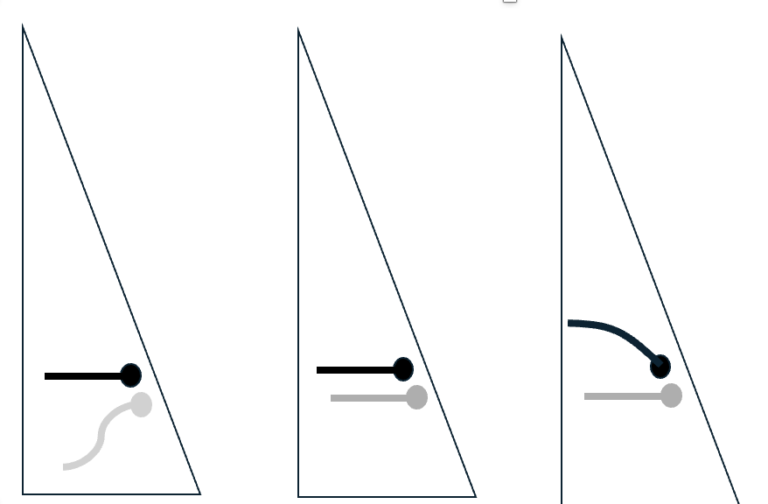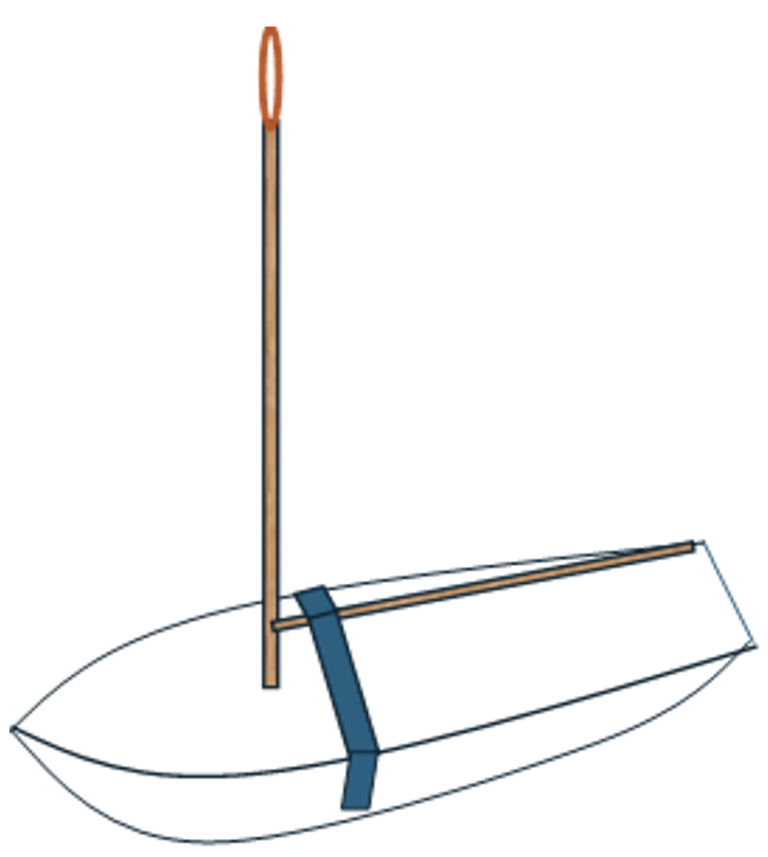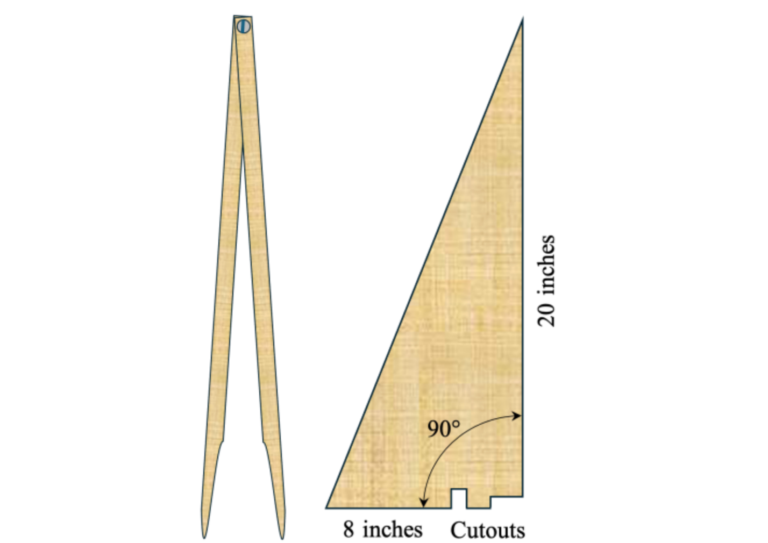
Working (bending and hammering) non-ferrous metals will harden them and make them brittle. This is known as work-hardening. As you work them, you realign the crystal structure within them. If you notice small cracks while you are working these metals, you should stop and anneal the part. Annealing the metal realigns the crystals enabling you to work the metal again without fear of it failing (breaking).
Products hardened by cold working can be restored to the O temper state, a soft, ductile condition. Annealing eliminates strain hardening as well as the changes in structure that are the result of cold working. It is a heat treatment that alters the physical and sometimes chemical properties of a material to increase its ductility and reduce its hardness, making it more workable. It involves heating a material above its recrystallization temperature.
Annealing aluminum restores ductility to work-hardened metal by heating it to roughly (570–700 °F) to soften it and prevent cracking during shaping. Common home methods include coating the metal with black Sharpie or acetylene soot and heating with a torch until the mark disappears, indicating the proper temperature has been reached.
Annealing brass involves heating the part to roughly (650–750 °F) or until it barely turns a dull, dark red or faint blue and then allowing it to cool. Do not quench it in water. Be careful to avoid overheating the brass, which will change its chemical makeup and ruin it.
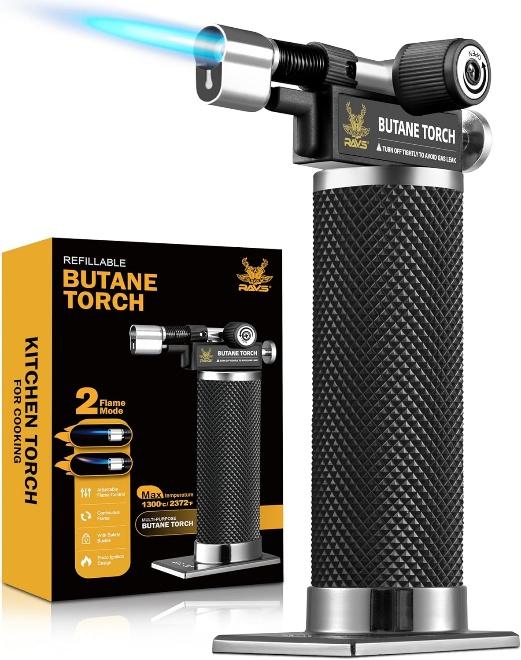
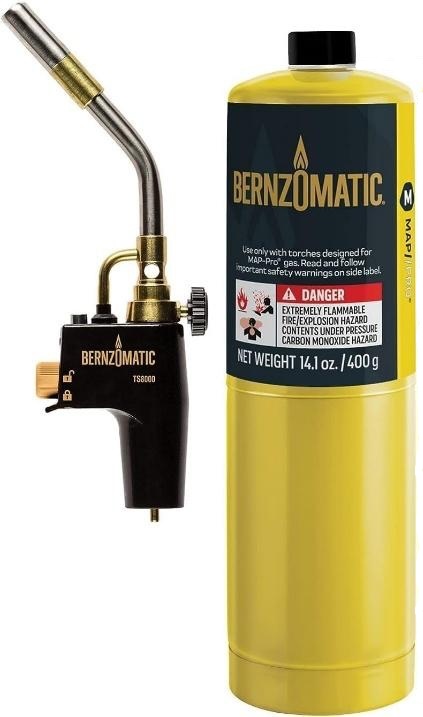
Use a BernzOmatic propane or MAPP gas torch as pictured. It has a bigger flame and allows you to build the heat in the part being annealed more quickly. If you only have the Butane torch and do not want to buy the other torch, make sure you keep the flame moving around the part. Be patient, do not concentrate the heat in one area. Bring the heat up throughout the entire piece. This torch has a much smaller concentrated flame. Follow the suggested methods described above.